
Introduction
Imagine being able to monitor your health in real-time without needing to visit a doctor or a hospital. Sounds like something from the future, right? Well, the future is here, and it’s called the Internet of Things (IoT). IoT devices are making waves in healthcare by bringing smart technology into everyday life, allowing patients and doctors to monitor conditions remotely, enhance care, and even prevent medical emergencies before they happen. In this article, we will explore how IoT devices are transforming healthcare, making it more accessible, efficient, and personalized.
The Basics of IoT in Healthcare
So, what exactly is IoT? It’s the network of physical devices that are connected to the internet and can share data with each other. When applied to healthcare, IoT devices can track patient data, monitor vital signs, and even alert doctors if something goes wrong. These devices range from wearable fitness trackers to high-tech medical equipment, all designed to improve health outcomes in innovative ways.
Wearable Devices: The New Healthcare Companion
One of the most visible IoT applications in healthcare is wearable devices. From smartwatches that track your steps to advanced sensors that monitor your heart rate, these gadgets have changed how we view personal health.
Take the Apple Watch, for example. Besides telling time and answering calls, it can now track your heart rate, measure blood oxygen levels, and even detect irregular heart rhythms. In fact, the Apple Watch has been credited with helping detect undiagnosed atrial fibrillation (AFib), a type of irregular heartbeat that could lead to stroke if left untreated. Doctors are increasingly relying on data from these devices to monitor patients between visits.
Another breakthrough is the Oura Ring, a smart ring that tracks your sleep, activity levels, and overall health. Unlike traditional sleep studies, which require you to spend the night in a clinic, the Oura Ring gives you a detailed sleep report from the comfort of your own bed. It’s a game-changer for anyone with sleep disorders or those simply looking to improve their sleep quality.
Remote Monitoring: Redefining Healthcare Accessibility
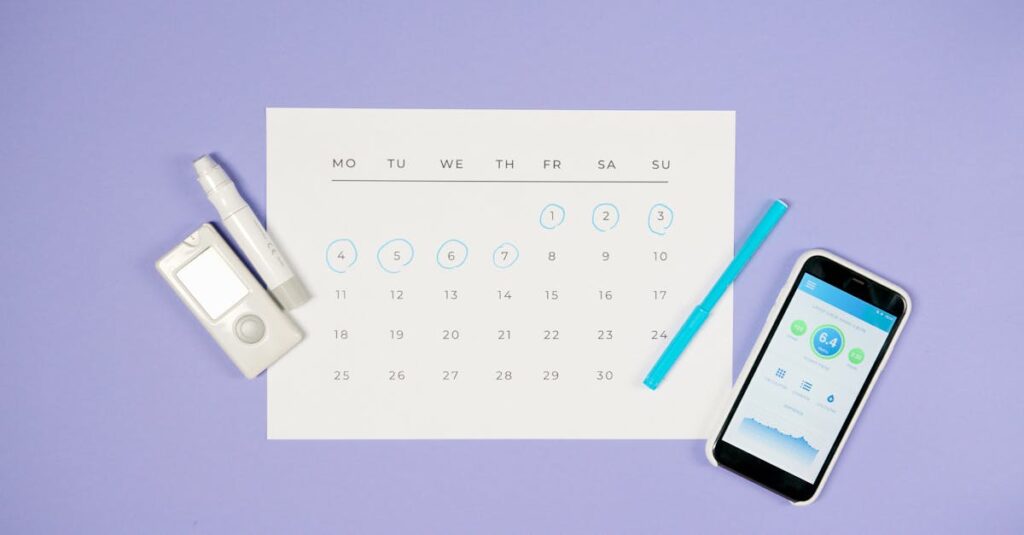
Remote monitoring is a game-changer, especially for people with chronic conditions like diabetes or hypertension. In the past, managing these conditions required frequent doctor visits and regular blood tests. Now, IoT devices can provide continuous, real-time monitoring of vital health metrics, making healthcare much more convenient.
Consider the Dexcom G6 Continuous Glucose Monitor (CGM). This small device is worn on the skin and continuously tracks a diabetic patient’s blood glucose levels. The data is sent to the patient’s phone, where they can monitor it throughout the day, making it easier to adjust their diet, insulin, or exercise regimen. The Dexcom G6 also sends alerts to the patient when their glucose levels are dangerously high or low, preventing potentially life-threatening situations.
Another example is blood pressure monitors that sync with your smartphone. These devices allow users to take regular readings at home, which are then automatically uploaded to a health app for easy tracking. Doctors can remotely monitor the data and provide adjustments to treatment without the patient needing to make an office visit. For people living in rural or underserved areas, these devices are especially invaluable, as they provide access to healthcare without the need for long-distance travel.
Smart Medical Equipment: Enhancing Hospital Care
While wearable devices and remote monitoring are improving home-based care, IoT devices are also making a huge impact in hospitals. Hospitals are filled with advanced medical equipment that relies on IoT technology to enhance care.
Take smart infusion pumps, for example. These pumps are used to deliver medications and fluids to patients, but they also come with sensors that track data like infusion rates, medication types, and patient vitals. This data is sent to a central system where doctors and nurses can track the information in real-time. The result? Increased safety, fewer medication errors, and more efficient care.
Another fascinating application is robot-assisted surgeries, like those performed with the Da Vinci Surgical System. These systems rely on IoT sensors to provide detailed feedback to surgeons during minimally invasive procedures, improving precision and reducing recovery times. These robots don’t replace surgeons; they enhance their ability to perform complex procedures with greater accuracy.
Impact on Patients and Doctors
As IoT devices evolve, they’re not only enhancing patient care but also improving the relationship between patients and doctors. With continuous monitoring and real-time data, doctors can make more informed decisions, adjusting treatment plans on the fly. This leads to better health outcomes and fewer emergency situations.
For patients, IoT devices offer peace of mind. Imagine being able to monitor your blood pressure, heart rate, or glucose levels without having to visit a doctor every few days. This convenience means patients can stay on top of their health, making adjustments to their lifestyle or medication as needed, all from the comfort of their home.
Take the story of Mary, a 65-year-old woman with hypertension, who has been using a smart blood pressure monitor for the past year. Thanks to the device’s real-time alerts, Mary was able to detect a sudden spike in her blood pressure that might have otherwise gone unnoticed. She contacted her doctor immediately, who adjusted her medication. This simple action likely prevented a heart attack or stroke.
Challenges and Future of IoT in Healthcare
Despite all the impressive benefits, there are challenges to fully integrating IoT devices into healthcare. One concern is data security. Since IoT devices collect sensitive health data, they’re potential targets for cyberattacks. Hospitals and healthcare providers need to ensure their systems are secure and compliant with regulations like HIPAA (Health Insurance Portability and Accountability Act).
Another issue is the need for standardization. With so many different IoT devices on the market, it can be difficult to ensure they all communicate effectively with each other. Ideally, a system would exist where all devices, whether they’re monitoring glucose or heart rate, could seamlessly integrate into one platform, providing a holistic view of a patient’s health.
However, despite these challenges, the future of IoT in healthcare looks incredibly promising. As technology continues to improve, we’ll see even more sophisticated devices that can predict health issues before they arise, further reducing the need for emergency interventions.
Conclusion: A Healthier, More Connected Future
IoT devices are already transforming the healthcare landscape, and they’re just getting started. From wearables that track your heart rate to remote monitoring that allows doctors to oversee chronic conditions, these devices are changing how we approach health management. While challenges remain, the future is undeniably exciting. As IoT devices continue to evolve and become more integrated into healthcare systems, patients and doctors alike will benefit from more accessible, efficient, and personalized care. So, if you’re looking to take charge of your health or improve care for a loved one, now’s the time to explore the world of IoT healthcare devices.