
The Rise of Smart Security Systems
Have you ever gotten halfway down the road, only to realize you left the house door wide open? Or worse, wondered whether you locked the door when you rushed out the door this morning? With traditional locks, these moments could lead to a nervous return home, but with smart locks and security systems, the peace of mind that comes from knowing you’re in control of your home, even from miles away, is a game changer.
The evolution of home security has taken us from the humble mechanical key to the sophisticated, tech-driven solutions of today. Smart locks and security systems are the next frontier, bringing convenience, control, and cutting-edge technology to your doorstep. These advancements don’t just keep burglars out, they transform the way we think about home safety, monitoring, and even convenience. So, what exactly does the future hold?
What Are Smart Locks and How Do They Work?
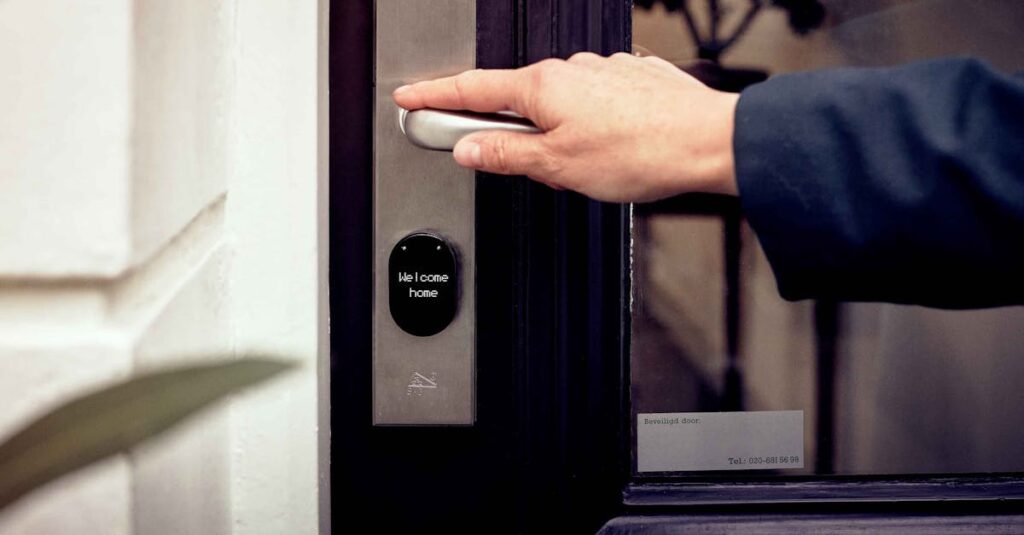
Smart locks are essentially traditional locks, only way smarter. They let you unlock doors using your smartphone, voice commands, or even biometrics (think fingerprint or facial recognition), without needing a physical key. The beauty of these systems is their ability to integrate with your home’s other smart devices, creating a seamless experience where your door is just as intelligent as the phone in your pocket.
At the heart of smart locks is the concept of keyless entry. Instead of fumbling for a key when your hands are full with groceries, or worrying about losing your spare key under the doormat, a smart lock ensures you’re always in control. Some of the most popular options use Bluetooth or Wi-Fi connectivity, so you can lock or unlock your door from anywhere using an app. Others may incorporate features like geofencing, which can lock the door automatically when you leave, or unlock it as you approach.
Real-Life Example: The Convenience of Keyless Entry
Imagine this: you’re on vacation, lounging on a beach with a cold drink in hand, and you get a call from a neighbor asking if they can come in to water your plants. Instead of texting a key code or giving them access to a spare key, you simply open your app and let them in remotely. Once they’re done, you lock the door again from miles away. No more worrying about lost keys, lockboxes, or handing out copies of your house key. It’s that easy, and secure.
The New Wave of Smart Security Systems
Smart locks are just one part of the larger trend of smarter home security systems. The future of home security is leaning toward comprehensive, interconnected solutions that combine locks, cameras, alarms, and sensors, all integrated into one smooth, user-friendly experience. The focus is shifting from simply locking the door to creating a holistic security system that helps you monitor every angle of your home.
Consider smart cameras and motion detectors, for example. These devices can detect unusual activity around your property and send instant alerts to your phone, so you can take action immediately. More advanced systems even allow for two-way audio, meaning you can talk to anyone at your door through your phone, whether that’s a delivery person, a visitor, or someone you don’t recognize. With cloud storage and real-time streaming, these cameras also offer a permanent record of events, which can be invaluable if something goes wrong.
Personalized Home Security
What sets tomorrow’s systems apart is personalization. Rather than relying on generic security setups, these systems will learn from your habits and routines, adapting to make your home even safer. For instance, the system might recognize when you’re home versus when you’re out, adjusting lighting, locking doors, and activating surveillance accordingly. In the future, your home security system might even predict potential threats based on patterns it has tracked over time, offering proactive alerts before an issue arises.
Biometrics: The Future of Unlocking Your Door
Let’s talk about one of the most exciting features on the horizon: biometric security. While we’ve already seen fingerprint scanners in smartphones, they’re making their way into home security. Imagine a world where your door opens with just a touch of your finger, or better yet, when it recognizes your face as you approach. Facial recognition technology is already being used in some advanced systems, allowing your door to unlock when it detects your unique facial features. The same tech is making its way into surveillance cameras, enhancing security by identifying known individuals and alerting you if an unknown person is nearby.
Though this technology still has room to grow, the possibilities are endless. Soon, your home will be able to recognize you without the need for keys, codes, or apps. Your home security will know you are coming, and know exactly who is at the door.
The Role of Artificial Intelligence in Future Security
Artificial intelligence (AI) is becoming an essential part of smart security. From machine learning algorithms that recognize patterns of activity to AI-powered cameras that can distinguish between a person, a dog, or a car, these systems will only become smarter. AI can analyze the data from your cameras, sensors, and other devices, providing better context for alerts. For instance, if the system detects someone lingering near your door, it could cross-reference their appearance with a facial recognition database, ensuring you’re only notified about potential threats, not harmless neighbors.
In the coming years, AI could also make these systems more adaptive, recognizing not just threats, but also the rhythms of your household. If a person usually comes home at 5:30 pm but doesn’t show up one evening, the system might check in to see if everything is alright. The goal is to make home security smarter, not just reactive, but proactive in ensuring you’re safe.
Will Smart Security Systems Replace Traditional Methods?
While smart locks and security systems offer undeniable convenience and control, some might still feel wary of moving away from traditional systems. It’s not just about how secure the technology is, it’s about trust. How much do we want to depend on these systems, and how will they handle things like power outages or Wi-Fi failures?
In reality, these new systems aren’t necessarily replacing traditional locks and alarms but enhancing them. Think of them like an upgrade, where the traditional lock keeps the door closed, and the smart system gives you full visibility and control. Whether it’s through a backup physical key or a fail-safe protocol during a system malfunction, these systems are built with redundancy in mind, ensuring you’re never locked out in an emergency.
Conclusion: Embracing the Future of Home Security
Smart locks and security systems are already changing the way we protect our homes, and the best part is, we’re just scratching the surface. With advancements in AI, biometrics, and seamless integration, the future of home security is all about making our homes smarter, safer, and more connected. So, the next time you leave your house, take comfort in the fact that you’re not just locking a door, you’re securing a fortress with the power of technology.
The future is here, and it’s only going to get more exciting. So, why not make your home as smart as your phone?