
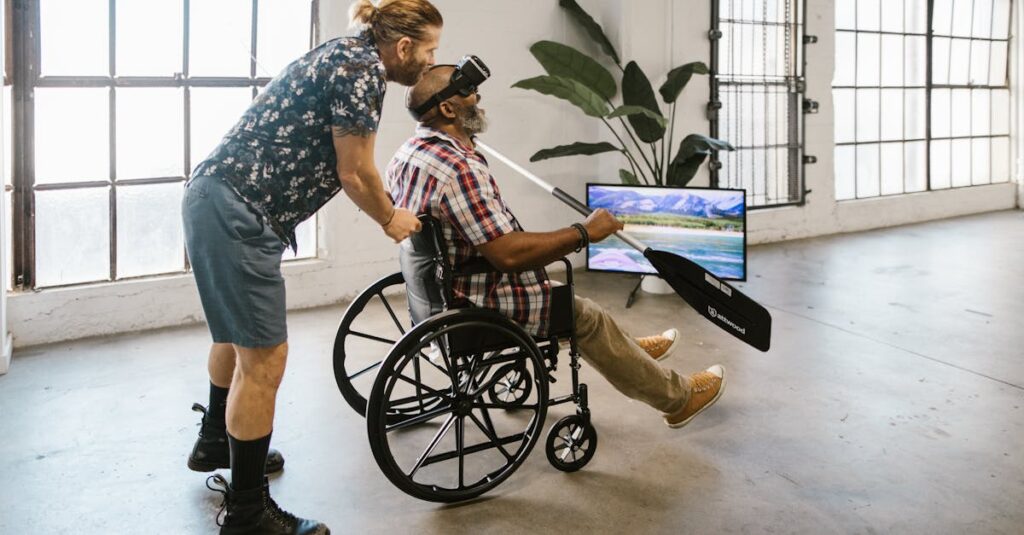
Introduction
The idea of mental health therapy has traditionally been associated with sitting in a therapist’s office, talking through problems in a calm, private setting. But in the 21st century, technology is shaking things up, and it’s doing so in a way that many of us never saw coming. Enter VR therapy apps: virtual reality-based platforms designed to heal the mind. What if the most effective therapy sessions didn’t require you to leave your home? And what if you could literally immerse yourself in healing environments, all from the comfort of your couch? Sounds futuristic, right? But these apps are doing exactly that, and they’re changing the way we think about mental health care.
The Rise of VR Therapy
Virtual reality (VR) therapy apps have slowly made their way into the mental health field, but now they’re becoming increasingly popular. With VR, users can experience situations and environments that feel intensely real, helping to bridge the gap between traditional therapy and cutting-edge technology. The idea is that by immersing oneself in a 3D space designed for healing, the brain is stimulated in a way that conventional therapy can’t always replicate.
One of the core principles of VR therapy is exposure therapy, often used for treating conditions like PTSD, phobias, and anxiety. The technology can simulate environments that are designed to gradually desensitize the user to their fears, allowing them to confront traumatic memories or trigger situations safely and in a controlled space.
How Does VR Therapy Actually Work?
VR therapy isn’t magic, but it can seem that way. Let’s break it down: imagine a person dealing with severe anxiety or PTSD. In a traditional setting, they might find it difficult to talk through their issues in a calm and safe environment. But when placed in a VR scenario, whether it’s a virtual forest, a beach, or even a therapist’s office, their body and mind react in real-time, providing them with a unique opportunity to confront and process emotions that they might not be able to do in traditional therapy alone.
Here’s where it gets interesting: these VR experiences can be customized. With the right VR app, you could step into a scenario where you’re walking through a forest to calm anxiety, or you could be placed in a scenario that mimics a stressful public speaking situation to help you practice exposure therapy. The goal is to work through uncomfortable emotions, one controlled step at a time.
Top VR Therapy Apps That Heal the Mind
Let’s take a look at some of the standout VR therapy apps that are making a splash in mental health:
- CalmPlace: CalmPlace is one of the leading apps for anxiety and stress relief. It’s designed to immerse users in calming environments, like quiet beaches or serene forests. With a soothing voice guiding you through relaxation exercises, it’s a great app for those who need a quick mental reset. Plus, the app is easy to use, and you don’t need to be an expert in VR to enjoy it.
- Relieve VR: This app is aimed at individuals struggling with stress, anxiety, and depression. Relieve VR uses the therapeutic technique of exposure therapy to help users tackle their triggers by putting them in a series of stressful, but manageable, situations. Over time, this helps desensitize users to their fears and reduce the impact of anxiety.
- VR Mindfulness: Mindfulness and meditation apps are all the rage these days, but VR Mindfulness takes it a step further. Instead of listening to a voice guide you through breathing exercises, you are immersed in a peaceful, interactive environment. You might be meditating in a floating island or taking a walk through a tranquil cityscape. The immersive aspect of VR heightens the effectiveness of these mindfulness practices.
- Psious: This one is aimed at a range of mental health issues, from phobias and anxiety to depression. Psious combines VR with cognitive-behavioral therapy (CBT) techniques to help users manage their mental health. The app’s treatment plans are customizable and tailored to the individual’s needs, so no two sessions are the same. Psious is used by both therapists and individuals, which makes it a great tool for those seeking professional help or just a personal journey to healing.
- Therapist VR: If you’re looking for a full-on virtual therapy session, Therapist VR could be the app for you. It simulates the experience of talking to a real-life therapist, but without the traditional setting. While it’s not a substitute for real therapy, it can be helpful for individuals who feel more comfortable opening up in a virtual environment rather than face-to-face. The app can also incorporate different therapeutic techniques, including CBT and exposure therapy.
The Science Behind It: Does It Really Work?
So, all these apps sound great in theory, but do they actually work? The short answer is: yes, in many cases, they do. Numerous studies have shown that VR exposure therapy can be as effective as traditional therapy for treating anxiety, PTSD, and other mental health conditions. For example, research conducted by the Virtual Reality Medical Center demonstrated that VR was successful in treating veterans with PTSD, showing notable improvements in their symptoms.
In a study published in the Journal of Anxiety Disorders, researchers found that VR exposure therapy helped reduce anxiety in individuals with social phobia, suggesting that controlled exposure to socially anxious situations (like speaking in public) in a virtual setting can help ease real-life fears. These findings indicate that VR therapy isn’t just a novelty, it’s a scientifically-backed way to help people heal.
Benefits of Using VR for Mental Health
While the therapeutic value of VR apps is still being explored, there are a few clear benefits to using them:
- Accessibility: You don’t have to leave your home or deal with transportation or scheduling hassles. You can access therapy at any time, whether it’s in the middle of the night or during a lunch break.
- Customization: As previously mentioned, VR therapy experiences can be customized to fit an individual’s specific needs. Whether you want to confront a fear, practice relaxation, or work through specific memories, VR can offer targeted solutions.
- Engagement: VR is a highly immersive technology, which helps increase user engagement. This can make the therapy process feel less intimidating, and might even make it more enjoyable.
- Affordability: While some VR therapy apps require a subscription, they can still be a more affordable option than in-person therapy, especially for individuals who do not have access to mental health professionals in their area.
Challenges and Limitations of VR Therapy
However, like any new technology, VR therapy apps have their limitations. For one, they may not be appropriate for all mental health conditions. Severe cases of depression, for example, might require a more hands-on approach from a trained professional. And while VR therapy can be a great tool for exposure therapy, it might not be the best for everyone. Some users may feel disoriented or uncomfortable in the virtual environment, especially if they are new to VR.
Additionally, the cost of VR headsets can be a barrier for some individuals. While prices have come down over the years, they can still be expensive, especially for those on a tight budget. Thankfully, there are smartphone-based VR systems that offer more affordable options.
Conclusion: The Future of VR Therapy
VR therapy apps are still a relatively new phenomenon, but their potential to revolutionize mental health care is undeniable. They’re offering individuals a chance to confront their issues in a safe, controlled, and immersive environment, one that can be tailored to their unique needs. As the technology continues to improve and more research is conducted, VR therapy apps will likely become an even more integral part of mental health care. If you’re someone who struggles with mental health issues and has yet to try VR therapy, it might be worth considering as a tool for your healing journey. After all, sometimes the future of therapy might just be a headset away.